Ecommerce Warehouse: What It Is & How to Find the Right Fulfillment Solution.
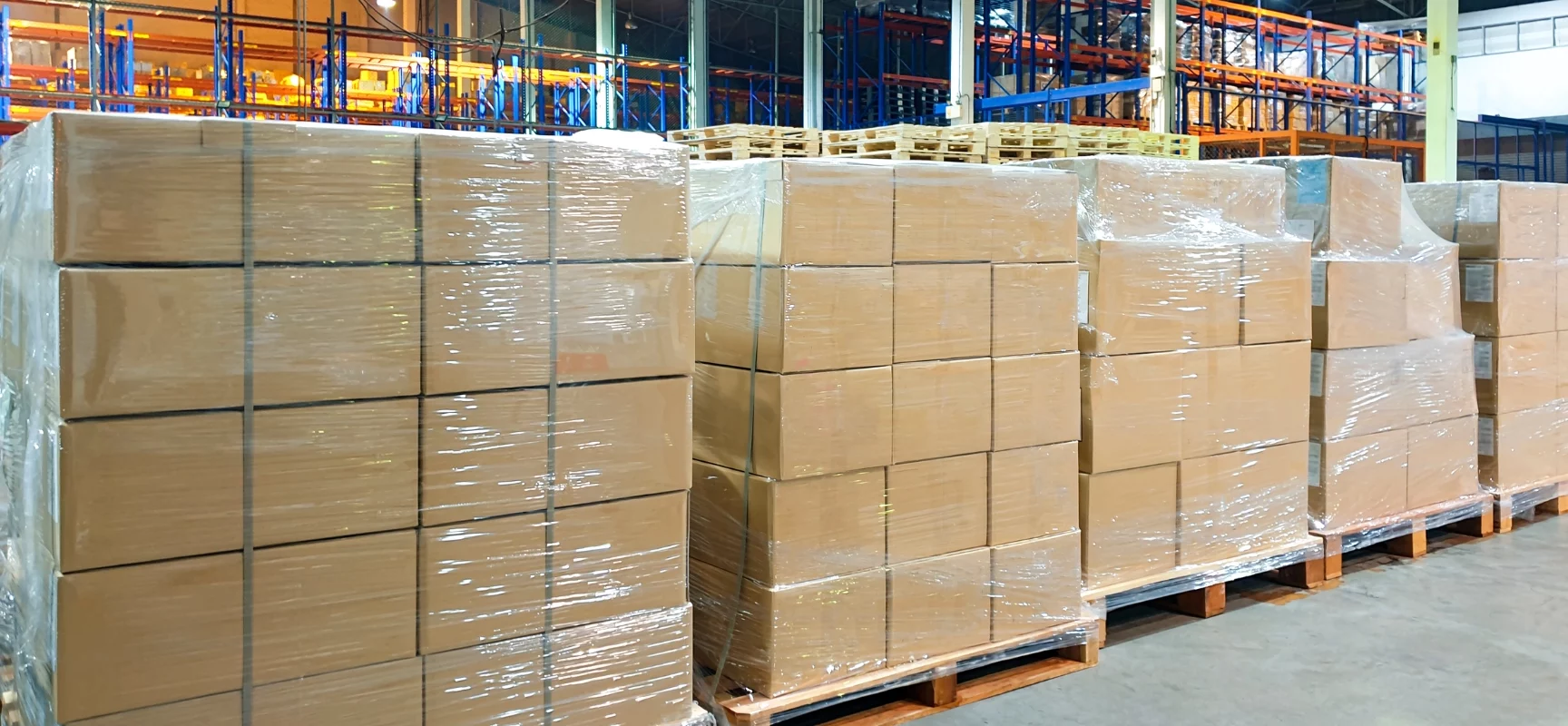
- Ecommerce warehouses are not just storage units; they use inventory-tracking technology, trained labor and logistics infrastructure to speed up online order fulfillment.
- Benefits include faster shipping, better organization, time savings and improved customer satisfaction, because products are stored closer to customers and handled by specialists.
- Types of ecommerce warehouses include fulfillment and distribution centers, private, public, cooperative, smart, bonded, on‑demand and cross‑docking facilities.
- To choose the right facility, determine your space needs, ensure the warehouse has essential equipment and a robust warehouse management system, evaluate its location and performance data, and weigh the pros and cons of owning versus outsourcing.
- Common challenges-shipping delays, inventory overstock/stockouts and returns-can be mitigated with data‑driven forecasting, proper layout and robust return processes.
- OLIMP Warehousing offers access to over 5,000 warehouses across North America with flexible, real‑time booking and dedicated support.
An ecommerce warehouse is a facility designed to store, organize and fulfill online orders quickly and accurately, and finding the right one involves matching your inventory, fulfillment and budget requirements with a warehouse’s location, equipment and management systems.
What Is An Ecommerce Warehouse?
An ecommerce warehouse is a specialized storage facility where products sold through online platforms are received, stored, picked, packed and shipped to customers. Unlike simply keeping goods in a garage, an ecommerce warehouse provides the space and operational capabilities-such as inventory management systems, shelving and security-to prepare orders quickly and accurately. These facilities often include real‑time inventory tracking, trained staff and equipment like forklifts and packing stations that streamline fulfillment.
Inventory management and product security
Successful ecommerce warehousing hinges on inventory management-knowing what’s in stock, when to reorder and how to arrange items for efficient retrieval. Equally important is product security: warehouses use shelves or racks to prevent damage and loss, on‑site security and controlled access to deter theft, and organized storage to avoid misplacement of goods. Compared with keeping goods in a spare room, these measures save time and money and ensure accurate order fulfillment.
Benefits of using an ecommerce warehouse
- Faster shipping and happier customers: Storing inventory near your customer base reduces shipping times, leading to quicker deliveries and improved satisfaction.
- Improved organization and accuracy: Dedicated warehouses use real‑time inventory and shipment tracking systems and trained labor to pick and pack accurately.
- Time and cost savings: Outsourcing fulfillment frees retailers from managing storage, packing and shipping themselves, allowing them to focus on marketing and product development.
- Reduced risk of lost or incorrect orders: Advanced warehouse management systems prevent lost inventory and incorrect shipments.
- Scalability: Warehouses can scale up space, equipment and labor during peak seasons without a retailer having to invest in new buildings or staff.
Need Warehousing Services?
With OLIMP, find warehousing services in any location you need — fast, flexible, and ready for your freight.
What Are Different Types Of Ecommerce Warehouses?
Ecommerce businesses have access to a wide variety of warehouse types, each catering to specific storage and operational needs. Here’s a breakdown:
Fulfillment Centers
Fulfillment centers manage short-term storage and handle order processing, packing, and shipping directly to customers. Often operated by third-party logistics (3PL) providers, these centers are crucial for ecommerce businesses seeking fast and efficient fulfillment solutions.
Distribution Centers
Distribution centers serve as hubs in the supply chain, acting as intermediaries between manufacturers and retailers or fulfillment centers. They are commonly used in industries like grocery and often provide specialized storage options, such as refrigeration.
Private Warehouses
Private warehouses are owned and operated by a single business to store its own inventory. These facilities provide greater control and customization but come with higher costs, making them ideal for larger companies with consistent storage needs.
Public Warehouses
Public warehouses are shared spaces owned by third-party operators and rented out to businesses. They are cost-effective for small to medium-sized ecommerce companies and may include fulfillment services for an additional fee.
Cooperative Warehouses
Jointly owned by multiple businesses, cooperative warehouses offer discounted storage rates to co-op members. These facilities are often used by smaller companies seeking cost-effective storage solutions.
Smart Warehouses
Smart warehouses use advanced technologies such as AI, robotics, and drones to streamline storage and retrieval processes. These high-tech facilities reduce errors and improve efficiency but require significant investment, making them a premium option.
Government Warehouses
Owned by federal, state, or local governments, these warehouses store essential goods and supplies. Businesses can also rent space, benefiting from secure and affordable storage, though these facilities may lack advanced technology.
Cold Storage Warehouses
Cold storage warehouses maintain temperature-controlled environments, making them essential for storing perishable goods such as food and pharmaceuticals.
Hybrid Warehouses
Hybrid warehouses combine features of multiple warehouse types, such as offering both fulfillment and temperature-controlled storage, to meet diverse business needs.
Cross-Docking Warehouses
Cross-docking warehouses focus on minimizing storage time by transferring goods directly from inbound to outbound transportation. This type of facility is ideal for ecommerce businesses that prioritize fast delivery and low inventory holding costs.
How to Choose the Right Ecommerce Warehouse

Finding a local warehouse for ecommerce or a commerce fulfillment warehouse doesn’t have to be overwhelming. Follow these steps:
1. Determine Your Spatial Requirements
Calculate how much space you’ll need based on current inventory and turnover. Are you storing thousands of SKUs or just a few? This affects warehouse size and layout.
2. Look for Essential Equipment
Does the warehouse offer shelving, forklifts, packaging stations, or refrigeration (if needed)? If you sell bulky or fragile items, proper equipment is crucial.
3. Use a Warehouse Management System (WMS)
Ensure the facility uses a modern WMS that offers:
- Real-time inventory tracking
- Automated alerts for low stock
- Optimized picking and packing workflows
4. Consider the Location
Search for an ecommerce warehouse near me to reduce last-mile delivery times. Or consider multiple facilities to serve customers regionally for faster shipping.
5. Analyze Performance Data
Look at historical data or ask about:
- Average fulfillment time
- Order accuracy rates
- Return processing workflows
This helps ensure the facility supports your goals.
Common Challenges in Ecommerce Warehousing
Even with the right facility, online retailers encounter hurdles:
- Shipping delays: Poor layout or lack of inventory visibility slows picking and packing. Use a WMS and optimize aisle and shelf layout.
- Inventory overflow or stockouts: Without accurate forecasting, merchants may overstock or run out of products. Maintain balanced safety stock and use data‑driven demand planning.
- Returns management: Efficiently inspect, restock or dispose of returned goods to minimize losses.
- Safety and security: Ensure compliance with OSHA guidelines and invest in on‑site security cameras and controlled access.
Why Use OLIMP to Find an Ecommerce Warehouse?
OLIMP Warehousing connects businesses with a vast network of over 5,000 warehouses across North America. Our platform offers:
- Flexible Solutions: No minimum storage terms and adaptable warehousing options.
- Real-Time Access: Quickly find and book warehouse space as per your requirements.
- Expert Support: Dedicated managers assist in finding the perfect warehousing solution for your business.
Ready to optimize your ecommerce fulfillment? Explore OLIMP Warehousing solutions today.
Frequently Asked Questions (FAQ) – OLIMP Warehousing
Q: What’s the difference between an ecommerce warehouse and a traditional warehouse?
A traditional warehouse primarily stores goods for long periods, whereas an ecommerce warehouse is optimized for fast order processing. It features inventory management technology, trained staff and equipment that enable quick picking, packing and shipping to end customers.
Q: When should I move from home storage to an ecommerce warehouse?
Once your order volume outgrows your spare room or garage and managing inventory becomes time‑consuming or inaccurate, it’s time to consider professional warehousing. Growing brands often shift when they’re shipping thousands of orders per month or need specialized equipment and security.
Q: How much does an ecommerce warehouse cost?
Costs depend on whether you lease space or buy and outfit your own facility, its location, size and the services offered. Outsourcing to a 3PL may reduce capital expenditure but includes per‑order and storage fees, while owning or leasing a private warehouse involves up‑front investments in real estate, equipment and staff.
Q: How do I set up an ecommerce warehouse?
There’s no single setup guide, but plan the layout-including shelving, picking paths and loading docks—based on SKU volume and order patterns. Equip the space with forklifts, packing stations and safety equipment, and choose a WMS to manage inventory and streamline workflows.
Q: Which warehouse type is best for small businesses?
For startups with low order volumes, home or on‑demand warehousing can work temporarily. As order volume increases, public or third‑party fulfillment centers provide scalability without heavy investment. Businesses with specialized goods (perishable or regulated) may need cold storage or bonded facilities; large brands may invest in private or smart warehouses.
You may be interested in
Best Ecommerce Shipping Solutions & Logistics Platforms (2026)
Modern shoppers expect fast shipping, real‑time tracking and painless returns. For ecommerce brands juggling multiple carriers and fulfilment centres, meeting those expectations can be overwhelming. Shipping aggregators and logistics platforms solve this problem by connecting your store to dozens of carriers and automating everything from rate shopping to label printing. In this updated guide for […]

3PL Warehousing & Distribution Services: Processes, Benefits & 2026 Trends
3PL warehousing and distribution refers to a company outsourcing the storage, handling, inventory management and delivery of its products to a specialist provider. 3PL providers operate warehouses and distribution centres, employ trained staff, and use technology to track and ship goods on the company’s behalf. Outsourcing logistics to a 3PL partner saves capital expense, provides […]
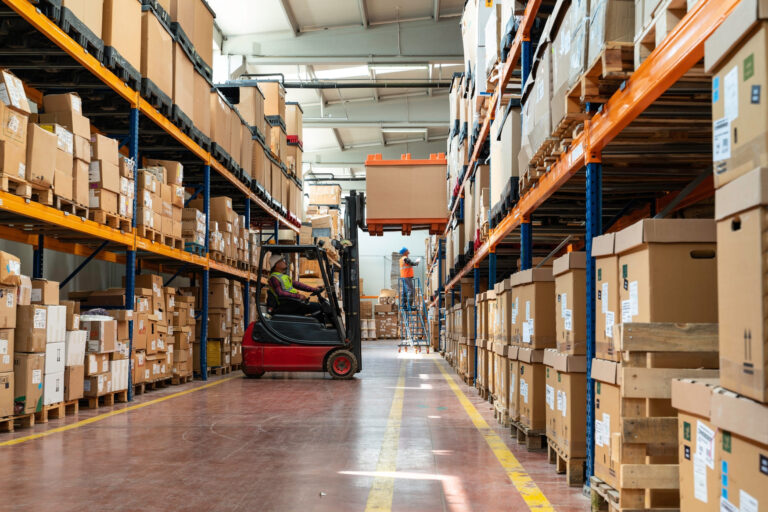
3PL vs In-House Logistics: When to Use a Warehouse or 3PL? (Essential Guide)
Running order fulfillment from your garage or back room can save money at first, but growth brings new challenges. In-house logistics means you handle everything yourself – storing inventory, packing boxes, managing shipping, and processing returns. This gives you full control and customization, but it becomes complex as orders grow. A 3PL (third-party logistics) provider […]
Ready to streamline your warehousing needs?
Request a quote today and discover how OLIMP's tailored solutions can optimize your operations